

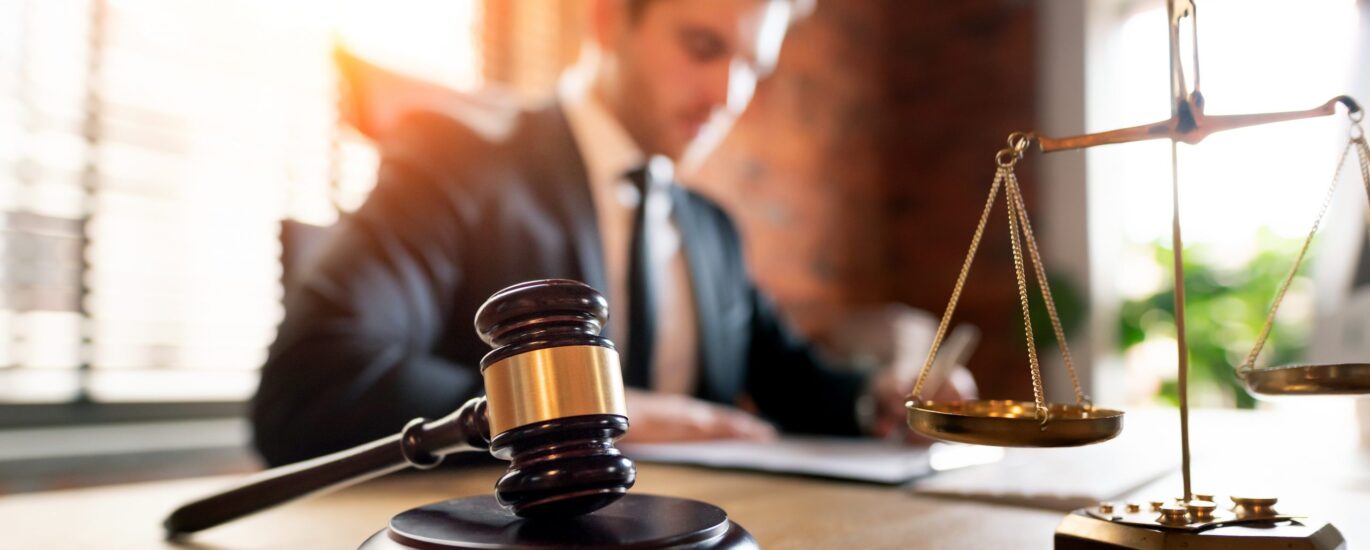
In the intricate world of law, where justice and individual rights intertwine, the role of a criminal defense attorney is paramount. These legal professionals serve as the guardians of the accused, ensuring that every individual receives a fair trial and that their rights are vigorously protected throughout the judicial process. Whether facing misdemeanor charges or serious felonies, defendants rely on the guidance and advocacy of criminal defense attorneys to navigate the complexities of the legal system and to advocate for the possible outcome.
As the cornerstone of the criminal justice system, criminal defense attorneys not only work to defend their clients but also uphold the principles of justice and due process. With a deep understanding of legal statutes, procedural rules, and trial strategies, these attorneys play a critical role in preserving the integrity of the legal process. Their commitment goes beyond mere representation; it encompasses a dedication to ensuring that each client is treated equitably, regardless of the circumstances surrounding their case. This article delves into the essential functions, skills, and challenges faced by criminal defense attorneys, illustrating their vital contribution to safeguarding justice in society.
Essential Functions of a Criminal Defense Attorney
Criminal defense attorneys assume a multitude of responsibilities that are integral to the defense process. They begin by thoroughly investigating the evidence, interviewing witnesses, and assessing the circumstances surrounding each case. This detailed groundwork allows them to formulate compelling legal strategies tailored to their clients’ needs. Additionally, these attorneys engage in negotiations with prosecutors, striving to secure favorable plea deals or pre-trial dismissals when applicable. A skilled criminal defense attorney not only understands the intricacies of legal statutes but also possesses the critical ability to communicate effectively, advocating for their clients in both written motions and court appearances.

Challenges Faced by Criminal Defense Attorneys
Despite their crucial role, criminal defense attorneys often confront significant challenges. High case volumes can lead to heavy workloads, making it difficult to devote the necessary time and resources to each client. Moreover, public perception and societal biases can place additional pressure on defense counsel, particularly in high-profile cases. Attorneys must navigate these challenges while remaining steadfast in their commitment to ethical representation and the fundamental rights of the accused. By persisting through these obstacles, defense attorneys not only support their clients but also uphold the integrity of the justice system as a whole.
In conclusion, the role of a criminal defense attorney is indispensable in the pursuit of justice, balancing the scales against potential biases and systemic challenges that may affect their clients. Their unwavering dedication to ensuring fair representation, regardless of public opinion or the complexities involved, highlights their commitment to the principles of due process and individual rights. Through rigorous investigation, strategic negotiation, and effective courtroom representation, they champion the cause of the accused, transforming the often daunting legal landscape into a more navigable path for those they represent. Ultimately, criminal defense attorneys serve not only as advocates for their clients but also as vital protectors of the legal system, reinforcing the belief that every individual deserves a robust defense and the opportunity for a just resolution.
About the Author